
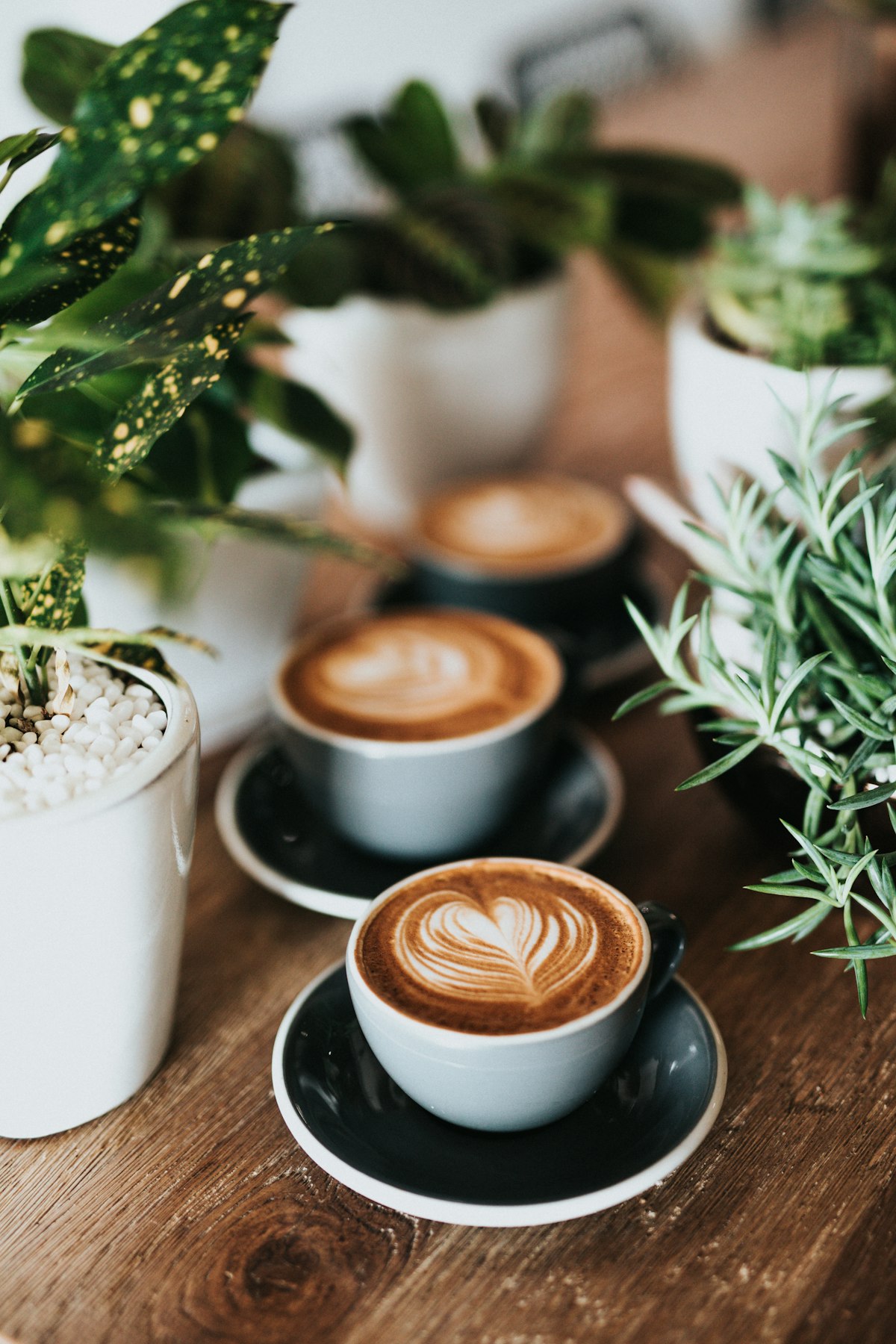
The Art of Pairing Guatemalan Coffee with Food
31. mars 2026 · 9 min lesing
The Art of Pairing Guatemalan Coffee with Food
Wine has sommeliers. Beer has cicerones. But when it comes to coffee — one of the most complex beverages on the planet, with over 1,000 aromatic compounds — we mostly just drink it alongside whatever we happen to be eating.
That's a missed opportunity.
If you've ever taken a sip of a bright, citrusy Huehuetenango and thought this tastes like orange marmalade, you've already started pairing intuitively. The next step is doing it on purpose. And Guatemalan coffee, with its remarkable range of flavour profiles across regions, is one of the best origins to explore this with.
Here's how to think about pairing coffee with food — and why Guatemala's diversity makes it the ideal starting point.
Why Guatemalan Coffee Is Perfect for Pairing
Most people think of coffee flavour as a spectrum from "mild" to "strong." But specialty coffee professionals know it's far more dimensional than that. A single-origin Guatemalan coffee can express notes of dark chocolate, stone fruit, caramel, citrus, spice, florals, or toasted nuts — sometimes several of these in one cup.
What makes Guatemala particularly interesting for pairing is regional variety. The country has eight officially recognised coffee-growing regions, each shaped by distinct microclimates, volcanic soils, and altitudes. An Antigua coffee grown in mineral-rich pumice soil at 1,500 metres tastes fundamentally different from an Atitlán grown beside a volcanic lake, or a Cobán shaped by year-round cloud cover and rainfall.
Compare this to, say, a washed Ethiopian Yirgacheffe — gorgeous and floral, but you're working with a narrower palette. Or a classic Colombian Supremo — balanced and clean, but often predictably so. Guatemala gives you the breadth to pair across an entire meal if you wanted to.
And unlike wine pairing, you don't need a cellar or a sommelier certification. You need a grinder, good beans, and a bit of curiosity.
The Basic Principles of Coffee Pairing
Before we get into specific matches, here are the fundamentals. These work for any coffee, but they're especially useful with complex single-origin lots.
1. Complement or Contrast
This is the same principle that drives wine and food pairing. You can either complement — matching similar flavours to amplify them — or contrast — setting opposites against each other to create tension and interest.
A chocolatey Antigua pairs beautifully with dark chocolate (complement). But it also works surprisingly well with a sharp aged cheddar (contrast), where the cheese's tang highlights the coffee's sweetness.
2. Match Intensity
A delicate, tea-like washed coffee will be bulldozed by a rich chocolate cake. A bold, full-bodied natural process will overpower a light fruit salad. Think about weight: light coffees with lighter foods, heavier coffees with richer ones.
3. Follow the Tasting Notes
This is where specialty coffee makes pairing almost unfairly easy. If your bag says "notes of dark cherry, milk chocolate, and brown sugar," you've been handed a cheat sheet. Start there.
4. Temperature Matters
As coffee cools, different flavour notes emerge. The chocolate you taste at 65°C might become more fruity at 50°C. Try your pairing at different temperatures — you might find that the match improves (or falls apart) as the cup evolves.
Region-by-Region Pairing Guide
Here's where it gets practical. Let's walk through Guatemala's major coffee regions and what to eat alongside them.
Antigua: The Chocolate Powerhouse
Typical profile: Rich chocolate, caramel, subtle spice, medium-to-full body.
Antigua coffees are grown between three volcanoes — Agua, Fuego, and Acatenango — in soil dense with pumice and minerals. The result is a coffee that practically begs for chocolate.
Best pairings:
- Dark chocolate (65-75% cacao): The classic. Complement the coffee's inherent chocolate notes and watch both flavours deepen. Single-origin Guatemalan chocolate? Even better — true terroir harmony.
- Cinnamon rolls or cardamom buns: The baking spices mirror the subtle spice notes in the coffee. Scandinavian fika was made for this.
- Banana bread: The caramel sweetness of a good Antigua wraps around banana bread like a warm blanket. The maillard crust is key — aim for a well-baked loaf.
- Aged Gouda or Manchego: The nutty, caramelised notes in aged hard cheeses amplify the coffee's sweetness. This one surprises people, but it works.
Huehuetenango: The Bright, Fruity Explorer
Typical profile: Citrus, stone fruit, wine-like acidity, floral hints, lighter body.
Huehuetenango sits in Guatemala's western highlands, where hot dry winds from Mexico's Tehuantepec plain meet cool mountain air. The result is some of Guatemala's most vibrant, complex cups — coffees that sometimes remind you more of a Kenyan AA than a typical Central American.
Best pairings:
- Citrus tart or lemon curd: When a coffee screams orange and lemon, lean into it. A good lemon tart with a slightly bitter crust creates a gorgeous complement.
- Fresh berries with yogurt: The acidity in both the coffee and the yogurt creates a bright, lively combination. Add a drizzle of honey to bridge them.
- Goat cheese on toast: The tanginess of chèvre plays beautifully against Huehuetenango's fruit-forward acidity. A light drizzle of honey ties it together.
- Stone fruit pastries: Peach galette, apricot danish, plum tart. If the tasting notes say "stone fruit," the pairing is almost too obvious — but it works every time.
Atitlán: The Balanced All-Rounder
Typical profile: Honey sweetness, citrus brightness, nutty undertones, clean finish.
The volcanic shores of Lake Atitlán produce coffees with a beautiful equilibrium — sweet enough to complement desserts, bright enough to cut through richer foods, and clean enough to not overwhelm delicate flavours.
Best pairings:
- Almond croissant: The nutty, buttery richness matches the coffee's toasted nut notes, while the coffee's acidity keeps things from becoming cloying.
- Fruit and nut granola: A morning match made in heaven. The honey sweetness complements, the acidity refreshes.
- Crème brûlée: The caramelised sugar crust mirrors the coffee's honey notes, and the custard's richness is balanced by the cup's clean finish.
- Smoked salmon on sourdough: Hear me out. The coffee's brightness and clean body work like a squeeze of lemon on the fish. This is a brunch pairing that converts sceptics.
Cobán: The Earthy Wild Card
Typical profile: Full body, earthy, herbal, mild fruit, sometimes a spicy finish.
Cobán's cloud forest climate — cool, wet, and perpetually misty — produces coffees with a depth and earthiness that set them apart from Guatemala's brighter regions. Think less "fruit salad" and more "forest floor after rain."
Best pairings:
- Dark rye bread with butter: The earthy, almost savoury quality of Cobán coffee meets its match in dense, slightly sour rye. This is Nordic-style kaffebrød at its best.
- Mushroom quiche or savoury tart: Earthy meets earthy. A mushroom and gruyère quiche alongside a full-bodied Cobán is a revelation.
- Pecan pie or walnut cake: The nutty, slightly bitter notes in tree nuts complement the coffee's earthy depth.
- Blue cheese: Bold, funky, and unapologetic. A small piece of Roquefort or Stilton with a Cobán espresso is a pairing for adventurous palates — and it's magnificent.
Practical Tips for Your First Pairing Session
You don't need to host a formal tasting. Here's how to start simply.
Start with breakfast. You're already drinking coffee in the morning. Be intentional about what's on the plate next to it. Try an Antigua with your toast and chocolate spread. Try a Huehuetenango with your yogurt and fruit. Pay attention.
Use the "sip-bite-sip" method. Take a sip of coffee. Take a bite of food. Let them mingle. Take another sip. Notice how the coffee tastes different after the food. Does it amplify? Mute? Transform?
Keep notes. Even casual ones. "Antigua + dark chocolate = yes. Antigua + orange marmalade = weird." Over time, you'll develop your own palate map.
Try the same coffee with three different foods. This is more instructive than trying three different coffees with one food. It shows you how much context changes the cup.
Don't forget water. Cleanse your palate between pairings. Still water, room temperature. Your taste buds will thank you.
Beyond the Plate: Coffee in Cooking
Here's a bonus thought: Guatemalan coffee doesn't just pair with food. It can go in food.
- Coffee rub for steak: Finely ground dark-roast Guatemalan coffee, smoked paprika, brown sugar, salt, black pepper. Rub on a ribeye before grilling. The coffee's bitterness creates an incredible crust.
- Espresso in chocolate ganache: Replace half the cream with a shot of Antigua espresso. The chocolate-on-chocolate layering is extraordinary.
- Cold brew reduction for desserts: Simmer cold brew with brown sugar until syrupy. Drizzle over vanilla ice cream or panna cotta.
- Coffee-braised short ribs: Use brewed Cobán coffee as part of the braising liquid. Its earthy, full-bodied character adds depth the way red wine would.
The Bigger Picture
Coffee pairing isn't just a fun exercise — it's a gateway to understanding what makes specialty coffee special. When you pair a Huehuetenango with a lemon tart and the citrus notes suddenly become unmistakable, you're training your palate. You're learning to taste terroir. You're understanding why a farmer's choice of altitude, variety, and processing method matters.
And that's the whole point of single-origin coffee. It's not about snobbery or gatekeeping. It's about connection — to a place, a process, and the people who made it possible.
Guatemalan coffee, with its astonishing regional diversity, gives you a complete education in a single origin. You can travel from chocolate to citrus to earth to flowers without ever leaving Guatemala on the map.
Start Your Pairing Journey
Ready to explore? Browse Kapalaj's Guatemalan single-origin coffees and pick a region that intrigues you. Grab something delicious from your kitchen. And pay attention to what happens when they meet in your mouth.
You might never drink coffee the same way again.